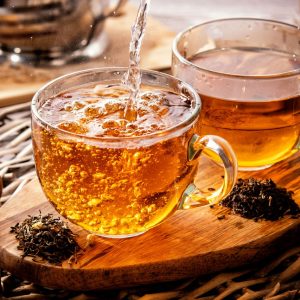

Did you know that much of ‘Tea’, as we know it, is made from the same plant?
Camellia Sinensis (Latin Name) or Cha Shu (茶树) ‘Tea Tree’ is processed in a variety of ways.
To then become much of what we know as:
– Green Tea (Lu Cha | 绿茶 )
– White Tea (Bai Cha | 白茶 )
– (Oolong) Tea (Wu Long Cha | 烏龍茶 )
– Black Tea ( Hong Cha | 红) (known as red tea in Chinese culture)
Latin Name: Although Camellia refers to the Flowering Shrub, its literal translation is quite interesting!
Camellia = Helper to the Priest
Sinensis = From China
This name may refer to the fact that tea is said to assist with energy levels (caffeine) while also having a calming effect (Possibly due to the presence of an amino acid, L-Theanine, which is linked to better sleep and calmer mind set).
One can imagine how priests, or those who follow spiritual practices with sometimes rigid regimens, could benefit from the above.
What does Ancient Chinese Culture say about ‘Tea’?
The Classical ‘Xin Xiu Ben Cao & Ben Cao Gang Mu’ Texts reported the following:
“Bitter and sweet… Slightly cold with no toxicity”
“It (tea) pushes down rebellious uprising of Qi (digestive and respiratory illnesses)”
“It eliminates thirst, heat, and phlegm.”
“Diuretic (Causing increase passing of urine) […] it is strongly anti-inflammatory.”
“Inflammation is the cause of many diseases.”
There you have it!
Now that you’re more aware of the origins of the Tea you love to drink,
You may be wondering…
What Tea is Best for the Season Around & Within you?
Check below for related Blog posts to learn more!
Lotus Care